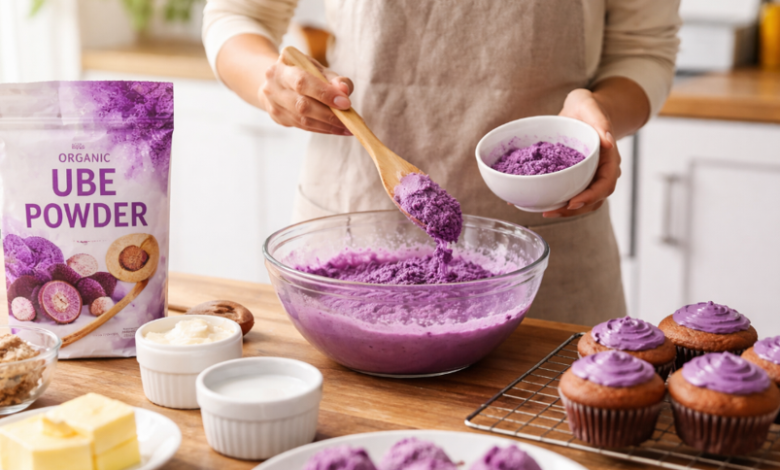
Soft as velvet, rich in colour, and nostalgic in flavour, ube powder is more than just a trendy purple ingredient it’s a gateway into heritage, nutrition, and culinary creativity. Whether you’ve come across it in a vivid swirl of ice cream, a chewy mochi, or a moist cake at a Filipino bakery, chances are you’re here because you’re curious about how to use ube powder at home and make it worth your while. This guide is tailored to give you everything you need: what ube powder actually is, how to cook with it, the best ways to unlock its flavour, and how to incorporate it into both traditional and modern recipes. If you’re looking to cook smart and bring a dash of purple magic into your kitchen stay right here.
What is ube powder and why is it so popular?
Ube powder is a dehydrated form of purple yam, originally from the Philippines. Unlike taro which it’s often confused with ube is sweet and has a subtle nutty, vanilla-like taste. This powder is made by peeling, boiling, grating, and then drying the yam, creating a shelf-stable product that retains its vivid purple colour and distinct taste. What makes it such a standout? Convenience. Instead of hunting for fresh ube which can be hard to find you can simply rehydrate this powder and use it in an endless number of recipes. Its popularity has soared thanks to social media and the global rise of Filipino cuisine.
The vibrant hue adds a visual “wow,” but beyond looks, ube powder is versatile. You can blend it into ube lattes, bake it into moist cakes, or even stir it into healthy smoothies. For those who care about clean eating, organic versions of ube powder are available and often free of additives and preservatives. Aside from taste and ease of use, ube is also valued for its potential health benefits, such as being rich in antioxidants (thanks to anthocyanins), fibre, and complex carbohydrates.
How to prepare ube powder correctly
Before using ube powder in any recipe, you’ll need to rehydrate it. This step is crucial because it allows the yam to regain its soft texture and natural sweetness. Done right, it can make all the difference in your dish’s final flavour and consistency.
How to rehydrate ube powder
Start by mixing 1 part ube powder with 2 parts hot water. Let it sit for 20 – 30 minutes. The result should be a thick paste, almost like mashed potatoes in texture. From here, you can sweeten it, add coconut milk, or fold it directly into a batter, depending on your recipe. For smoother applications like spreads or custards, run the hydrated mixture through a food processor or blender for a silkier texture.
Common mistakes to avoid
- Using cold water (it won’t rehydrate properly)
- Not waiting long enough
- Adding sugar too early
- Skipping blending for smooth recipes
You’ll get better results when you let the powder fully absorb the water and fluff it with a fork. Think of it like waking up a sleeping flavour patience is key.
Top ways to cook with ube powder
One of the beauties of ube powder is its adaptability. Whether you want something indulgent or healthy, sweet or savoury, the possibilities are wide open. Here are just a few ways to incorporate it:
- ube pancakes
- ube milk tea
- ube cheesecake
- ube ice cream
- ube bread rolls
- ube rice cakes
- ube smoothie bowls
- ube custard tarts
Want a wholesome take? Try adding ube powder to your morning smoothie, paired with banana, almond milk, and chia seeds. For those into baking, it’s perfect for gluten-free cakes or even vegan doughnuts when combined with coconut oil and almond flour. Just remember the flavour is subtle. Ube isn’t overly sweet on its own, so you’ll likely need to add vanilla extract, condensed milk, or coconut cream depending on your recipe.
See also: Small Business Dental Benefits: Keys to Affordable Group Health Coverage
Is ube powder healthy?
Compared to many modern dessert bases or colourings, ube powder offers a pretty attractive health profile. It’s naturally:
- low in fat
- high in dietary fibre
- rich in vitamins A and C
- packed with antioxidants
These antioxidants, especially anthocyanins, are what give ube its signature purple hue. They’re known for supporting heart health, reducing inflammation, and helping the body fight off oxidative stress.
What about carbs and calories?
Yes, ube is a starchy vegetable, so it contains carbohydrates but they’re complex carbs, not the empty kind found in refined flours or sugars. This means sustained energy and better blood sugar control. One tablespoon of ube powder contains roughly 40–50 calories, making it a smart alternative for those wanting a sweet taste without extreme guilt. If you’re watching your diet, use it in measured amounts. Add it to protein shakes, mix into oatmeal, or use it to colour your desserts naturally instead of using artificial dyes.
Storage, shelf life, and buying tips
Because ube powder is dehydrated, it has a longer shelf life than fresh yam typically around 12 to 18 months if stored properly. Storage tips:
- Keep it in an airtight container
- Store in a cool, dark place
- Avoid exposure to moisture
- Don’t refrigerate unless stated on packaging
Buying high-quality powder is key. Look for terms like 100% pure ube, organic, and no added sugar. Be cautious with powders that are pale or lack aroma good ube should smell subtly sweet and earthy. Many reputable stores now offer it online, and if you’re making Filipino desserts often, it’s worth buying in bulk.
Why ube powder deserves a spot in your kitchen
Ube powder isn’t just a flavour or a trend it’s a culinary shortcut to a centuries-old ingredient that’s still as relevant as ever. It combines versatility, nutrition, and aesthetics in a way that few ingredients do. Whether you’re experimenting with vibrant recipes or just adding a teaspoon to brighten up a dish, the value it brings to your kitchen is undeniable.
From smoothies and cakes to savoury twists and healthy hacks, there’s no shortage of ways to make it work and once you do, it’s hard to go back. If you’ve ever wanted to explore new tastes without overhauling your routine, ube powder might just be the purple spark your cooking needs.
Tips to enhance the flavour of ube powder
While ube powder offers a naturally mellow and slightly nutty flavour, it often needs a little help to truly shine in recipes. Unlike stronger root vegetables, ube has a gentle personality think of it like a background melody that becomes unforgettable when paired with the right instruments. If you want to make the most of your ube powder, it’s all about balance, pairing, and preparation.
Boosting flavour through ingredients
The most common companion to ube is coconut. Whether in milk, cream, or oil form, coconut enhances the yam’s earthiness while adding moisture and aroma. Sweetened condensed milk is another top choice not only does it add sweetness, but it brings out ube’s naturally creamy notes. Other great flavour boosters include:
- vanilla extract
- almond extract
- cinnamon
- lemon zest
- a pinch of sea salt (to balance sweetness)
Small adjustments in your recipe such as adding a tablespoon of coconut milk instead of water during rehydration can elevate the final result dramatically.
Don’t forget texture
The sensation in your mouth matters just as much as the taste on your tongue. When using ube powder in baking, aim for moist, dense textures (like pound cakes or brownies) where the yam can act as a binder. Hydrated ube also works wonderfully in no-bake treats like puddings and mousses, especially when blended smooth. A trick I love? Adding a spoon of ube paste to chia pudding or overnight oats. The powder gives body, colour, and a subtle depth without overpowering other flavours.
Creative ways to use ube powder every day
You don’t need a special occasion to add ube into your meals. One of the best things about this powder is how easily it can fit into your regular routine from breakfast to dessert. Here are a few fun and creative ways you can use it beyond the traditional:
Everyday uses you haven’t thought of
- Ube milk: Stir a teaspoon of ube powder into hot milk with a bit of honey and vanilla. Think of it as a purple alternative to golden turmeric milk.
- Protein shakes: Add it to banana-protein smoothies for colour, carbs and taste. Blend with oats and almond butter for a complete post-workout boost.
- Yogurt topping: Mix a little into Greek yogurt for a colourful, antioxidant-rich breakfast.
- Rice dishes: Mix into sticky rice with coconut cream and a touch of brown sugar for a quick dessert or snack.
Great for seasonal or festive recipes
Ube is also perfect for holiday baking or themed treats. Its colour makes it stand out in Easter cookies, Halloween cupcakes or Christmas ice cream sandwiches. You can even fold it into frosting for colourful cake toppings, without resorting to artificial food colouring. It can also become a conversation starter at gatherings few people can resist asking about that brilliant purple dessert on the table.
Final thoughts: Making ube powder a staple
Ube powder is more than just a colourful trend it’s a versatile, healthy and practical ingredient that belongs in any creative kitchen. Whether you’re exploring Filipino culture, trying to clean up your dessert ingredients, or simply craving something different, it delivers on flavour, texture, and nutrition. Best of all, it fits effortlessly into everyday cooking with very little prep or waste. If you’re just getting started, try adding a spoonful to something familiar your smoothie, oatmeal, or muffin mix. Build from there. You’ll not only expand your palate but also gain a new go-to ingredient for all kinds of recipes. And don’t forget the real secret to getting the most out of ube powder? Enjoying the process. Taste. Adjust. Try again. Cooking with it is as much about curiosity as it is about precision. So how will you use your ube powder next?