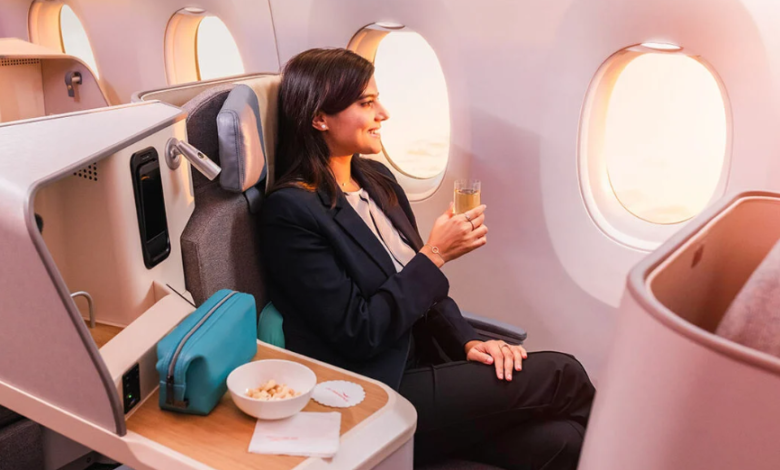
Securing premium cabin seats involves considerably more complexity than standard economy bookings, with multiple variables affecting both pricing and overall value received. The sophisticated revenue management systems governing premium inventory, diverse booking channels offering different advantages, and intricate frequent flyer program rules all demand understanding for optimal outcomes. Travelers approaching premium bookings without comprehensive knowledge consistently overpay or miss opportunities available to those systematically evaluating options.
The process of business class flight booking extends beyond simply selecting expensive seats on booking websites. Strategic travelers consider timing, route selection, carrier comparison, loyalty program implications, and booking channel advantages to maximize value while ensuring reliable, comfortable travel arrangements. This comprehensive approach separates experienced premium travelers consistently achieving excellent outcomes from those treating business class as straightforward purchase decisions without optimization opportunities.
Modern booking technology empowers travelers with unprecedented information access and comparison capabilities, though effectively leveraging these tools requires understanding their strengths, limitations, and optimal use cases. Whether booking paid tickets, redeeming miles, or pursuing upgrades, systematic approaches informed by market knowledge and strategic thinking consistently deliver superior results compared to impulsive bookings based on limited evaluation.
Understanding Booking Windows and Timing Strategies
Premium cabin inventory management follows complex patterns balancing revenue maximization against load optimization. Airlines initially release limited quantities at lowest price points, with remaining seats priced higher to capture demand from less price-sensitive travelers. This tiered structure means early bookers often access better pricing, though exceptions exist when airlines discount remaining inventory approaching departure if bookings lag projections.
According to Airfarewatchdog, monitoring desired routes beginning four to six months before travel establishes pricing baselines while enabling recognition of exceptional deals when promotional fares appear. This advance tracking proves particularly valuable for peak season travel when demand pressures drive prices upward as departure approaches, making early booking essential for reasonable premium cabin access.
Tuesday afternoon fare updates represent industry convention when many airlines load schedule changes and promotional pricing. While specific update timing varies between carriers, mid-week checking often reveals new deals or adjusted pricing compared to weekend searches. This pattern creates slight advantages for travelers monitoring markets during specific weekly windows rather than random checking.
Last-minute premium discounts occur occasionally but represent risky strategies for travelers with inflexible plans. Airlines sometimes reduce remaining business class seats dramatically approaching departure rather than operating with empty premium cabins, though this practice varies significantly by route, season, and carrier. Gambling on last-minute availability works only for extremely flexible travelers willing to abandon plans if expected discounts don’t materialize.
Evaluating Direct Versus Third-Party Booking Channels
Airline direct bookings through carrier websites or mobile apps typically offer most transparent pricing, clearest policy explanations, and easiest modification management when changes become necessary. Direct bookings often provide additional flexibility regarding seat assignments, meal preferences, and special requests compared to third-party reservations where information transmission to airlines can introduce complications or limitations.
Online travel agencies aggregate multiple airline options enabling efficient comparison, sometimes offering exclusive packages combining flights with hotels or rental cars at bundled discounts. However, OTA bookings occasionally introduce complications regarding changes, cancellations, or special service requests as communications flow through intermediaries rather than directly with operating airlines. Understanding specific OTA policies and limitations helps evaluate whether convenience and potential savings justify accepting some reduced flexibility.
Consolidators specializing in premium cabin inventory maintain negotiated rates with airlines, sometimes accessing pricing unavailable through public channels. These specialized distributors prove particularly valuable for international premium tickets where negotiated agreements enable genuine savings. However, consolidator bookings may carry restrictions or limitations requiring careful policy review before purchase, ensuring terms align with traveler flexibility needs and risk tolerance.
Direct airline bookings using miles or points through frequent flyer programs provide clearest award space visibility and straightforward change management within program rules. Third-party point transfer to airline programs before award booking works well, though some travelers prefer maintaining flexible transferable points until ready to book, enabling evaluation of multiple program options for optimal redemption value.
See also: Real Talk: How to Plan a Smooth Road Trip With a Big Group (No Drama, All Fun)
Aircraft and Seat Selection Strategies
Aircraft type profoundly impacts business class experience, with modern widebody jets featuring fully-flat seats with direct aisle access representing gold standard configurations. Older aircraft might offer angled-flat seats or configurations requiring some passengers to climb over neighbors reaching aisles, significantly diminishing premium cabin value regardless of other service elements. Verifying specific aircraft operating desired flights prevents disappointment from assuming all business class equals modern product standards.
Seat map research through specialized websites provides detailed aircraft configuration information including seat pitch, width, recline, and proximity to problematic areas like galleys or lavatories. These resources help identify optimal seat locations while avoiding positions suffering from reduced comfort due to mechanical constraints or high-traffic areas creating noise and disturbance throughout flights.
Forward cabin positioning typically provides quieter environments with earlier meal service and deplaning compared to rear business class sections on aircraft with multiple premium cabin zones. While personal preferences vary, many experienced travelers prefer forward positioning when options exist, particularly for overnight flights where minimizing disturbance supports better rest quality.
Bulkhead seats offer guaranteed legroom without forward recliners potentially invading space but sometimes feature fixed armrests reducing width and lack underseat storage during taxi, takeoff, and landing. Exit row business class seats similarly provide generous space though occasionally with restrictions including prohibition on infants, reduced recline, and requirements for assisting during emergencies. Understanding these trade-offs helps evaluate whether specific positions suit individual priorities and physical needs.
Leveraging Upgrade Opportunities and Bidding Systems
Confirmed upgrade purchases at booking time cost substantially less than business class fares, though typically more than straight economy tickets. These guaranteed upgrades suit travelers prioritizing premium cabin access while potentially saving versus full business class pricing. However, prices sometimes approach business class levels, making careful comparison essential to determine genuine value versus booking premium cabin initially.
Mileage upgrade instruments using accumulated frequent flyer currency enable business class access at reduced cash outlays combined with points. Understanding program-specific rules regarding upgrade eligibility by fare class, required mileage amounts, and fee structures helps evaluate whether upgrade strategies deliver better overall value than booking business class directly or redeeming miles for award tickets.
Upgrade bidding systems allow economy passengers to offer bids for premium seats if availability exists approaching departure. Airlines evaluate bids against internal pricing models, accepting offers meeting minimum thresholds while providing passengers opportunities accessing business class at potentially substantial discounts. Strategic bidding requires researching typical acceptance ranges, generally starting around 30-50% of differences between booked and desired cabin classes.
Operational upgrades occur when airlines oversell economy or need to accommodate passengers from cancelled flights, with elite status holders receiving priority for complimentary upgrades to available premium seats. While never guaranteed and varying dramatically by route and season, these pleasant surprises reward consistent loyalty with particular carriers. Status benefits sometimes justify loyalty consolidation even when absolute cheapest fares exist elsewhere.
Documentation and Booking Information Requirements
Passport validity requirements for international travel typically demand six months remaining beyond intended return dates, though specific rules vary by destination country. Verifying passport expiration and allowing adequate time for renewals if necessary prevents complications potentially invalidating expensive premium cabin bookings. Many airlines enforce these requirements strictly, denying boarding to passengers with insufficient passport validity regardless of booking cost or status.
Visa requirements vary dramatically by citizenship and destination, requiring research specific to individual circumstances. Some countries offer visa-on-arrival or electronic visa options simplifying entry, while others demand advance applications through consulates or visa service agencies. Understanding requirements and allowing adequate processing time ensures documentation doesn’t prevent utilizing premium bookings after substantial financial or mileage investments.
Known Traveler Numbers including TSA PreCheck, Global Entry, or similar trusted traveler program enrollment expedite security and immigration processing, particularly valuable for premium passengers already benefiting from priority services. Including KTNs in airline profiles ensures automatic addition to boarding passes, enabling consistent access to expedited processing without manual entry for each booking.
Frequent flyer numbers from relevant programs should appear in booking records ensuring mileage credit and status benefit application. While this can be corrected retroactively, including information at booking time prevents overlooking claims and ensures priority services apply from reservation confirmation through entire travel journey.
Payment Methods and Financial Protection
Premium credit cards offering enhanced travel protection provide valuable insurance covering trip interruptions, cancellations, baggage delays, and sometimes primary rental car collision damage. These protections prove particularly valuable for expensive business class tickets where financial exposures from unexpected disruptions could reach thousands of dollars. Using appropriate cards provides protection often exceeding costs of separate travel insurance policies while earning rewards on purchases.
Travel insurance beyond credit card coverage adds layers of protection for medical emergencies, evacuation, and circumstances excluded from card benefits. Comprehensive policies prove valuable for international premium bookings where medical costs or emergency evacuation could reach hundreds of thousands of dollars. While requiring additional expenditure, insurance costs represent modest percentages of premium ticket prices while providing substantial financial protection.
Payment timing and method selection affects both rewards earning and booking flexibility. Some airlines offer holds allowing reservations without immediate payment, providing time for price monitoring or coordination before commitment. However, holds typically last just 24 hours and don’t lock prices if fares increase during hold periods.
Refundable versus non-refundable fare distinctions carry significant pricing implications, with flexible tickets costing substantially more but allowing cancellations with full refunds. Non-refundable tickets typically permit changes with fees and fare differences but forfeit most or all value if cancelled. Evaluating individual trip uncertainty and risk tolerance helps determine appropriate ticket types balancing cost against flexibility needs.
Pre-Flight Planning and Optimization
Lounge access included with business class tickets provides comfortable pre-departure environments with food, beverages, workspaces, sometimes showers, and spa services. Researching specific lounges accessible on booked itineraries and arriving early enough to utilize facilities maximizes value from this significant benefit. Some lounges substantially exceed others in quality and amenities, with this variation affecting optimal arrival timing recommendations.
Meal pre-ordering when offered by airlines ensures preferred options rather than risking desired selections being exhausted by time crew reaches particular seats. Many carriers enable advance meal selection including special dietary accommodations, upgrades to premium menu items, or specification of preferred service timing for maximizing sleep during overnight flights.
Connecting flight coordination when booking multi-segment itineraries requires ensuring adequate time between flights while avoiding excessively long layovers creating unnecessary trip extensions. Minimum connection recommendations vary by airport, with larger facilities and international arrivals requiring more generous buffers than domestic transfers in smaller airports. Building margins protects against delays while avoiding overnight stays when shorter connections prove feasible.
Ground transportation planning before arrival ensures smooth transitions from airports to final destinations. Pre-arranging transfers or researching public transportation options reduces arrival stress, particularly important when reaching destinations late at night or early morning when options might be limited. Premium cabin arrival energy advantages enable fuller first-day activities compared to economy travel fatigue.
Managing Changes and Cancellations
Understanding specific ticket rules before booking prevents surprises when modifications become necessary. Non-refundable tickets typically allow changes with fees plus fare differences, though some deeply discounted fares impose additional restrictions or penalties. Refundable tickets provide maximum flexibility though cost substantially more, requiring evaluation of whether premium pricing justifies added flexibility for individual circumstances.
Travel waivers during irregular operations provide protection when airlines cancel flights or make substantial schedule changes. Understanding airline policies regarding rebooking options, refunds, and compensation helps travelers advocate effectively for appropriate accommodations when disruptions occur. Business class passengers typically receive priority rebooking, though knowing policy details ensures rights are fully exercised.
Award ticket change policies vary by frequent flyer program, with some allowing free date changes while others impose fees or require redepositing miles with penalties. Understanding program-specific rules helps evaluate total redemption costs including potential future modification charges when comparing award booking values against paid ticket alternatives.
Travel insurance claims require documentation including receipts, booking confirmations, and supporting evidence for covered circumstances causing cancellations or disruptions. Maintaining organized records throughout booking and travel processes facilitates smooth claims processing if coverage becomes necessary, ensuring policy benefits are fully realized when unexpected events justify claims.
Post-Booking Activities and Confirmation
Email confirmations should be saved with backup copies ensuring access even if primary email fails or confirmations are inadvertently deleted. These documents prove essential for check-in, modifications, and resolving any booking discrepancies. Additional copies of itineraries with emergency contact information for airlines and hotels provide backup communication channels if issues arise during travel.
Seat assignment verification after booking ensures preferred positions are actually reserved rather than assuming automatic optimal assignments. While business class generally provides comfortable seating throughout cabins, specific preferences regarding window versus aisle, forward versus rear positioning, and proximity to amenities warrant confirmation and modification if initial assignments don’t match preferences.
Calendar entries with appropriate reminders for online check-in windows, passport verification, visa applications, and other pre-departure requirements ensure adequate time for all necessary preparations. International business class bookings involve more complexity than domestic economy trips, making systematic preparation tracking valuable for smooth pre-departure experiences.
Conclusion: Systematic Approaches Deliver Consistent Success
Business class flight booking mastery requires understanding multiple interconnected elements including timing strategies, booking channel evaluation, aircraft and seat selection, upgrade opportunities, and proper documentation management. While initially seeming complex, systematic approaches breaking processes into manageable steps enable even occasional premium travelers to achieve outcomes matching experienced frequent flyers.
The investment in understanding booking best practices pays dividends through better pricing, optimal routing, appropriate seat selection, and smooth pre-departure preparations. These elements combine to create premium travel experiences that justify financial or mileage investments while avoiding pitfalls that might diminish satisfaction from expensive bookings. Strategic booking separates travelers who simply purchase expensive seats from those who optimize entire premium travel experiences from initial research through final arrival at destinations.