Planning a group road trip often feels exciting at first, yet the finer details tend to bring small tensions that can build up quickly. Seating choices, music preferences, and journey timings sometimes create unexpected disagreements. A clear structure can settle these issues early so your group enjoys the journey rather than wrestling with avoidable hurdles that take the spark away from having a fun trip.
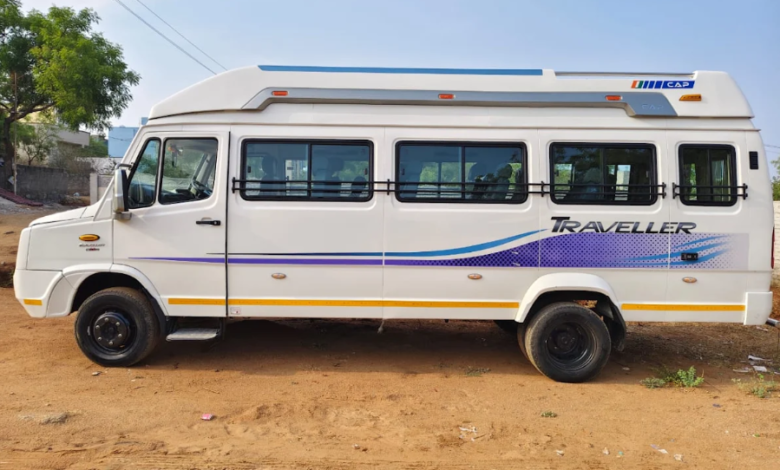
Any group larger than a handful usually needs more space, more clarity, and a way to keep everyone comfortable. A 20 seater Tempo Traveller often solves these concerns by giving every person a proper seat, consistent airflow, and enough room to keep things relaxed. Your trip becomes less about managing scattered cars and more about staying together and enjoying shared moments.
Setting the Mood Before the Trip Begins
Clear Seating Plans: Deciding seats before departure stops confusion and gives everyone a sense of order. This helps the quieter members feel settled and prevents any last-minute scrambling that slows the journey. A planned arrangement also balances preferences so the group avoids clashes that take attention away from the trip’s purpose.
Balanced Music Choices: Music often shapes the road trip tone, so creating a shared playlist helps build a common mood from the start. It avoids constant debates over tracks and lets everyone anticipate the journey with some excitement. A collaborative approach also supports variety so no single taste dominates the entire route.
Shared Snack Strategy: Snacks can shift the group tempo, especially when energy dips during long stretches. A simple plan for light bites ensures no one feels left out or hungry. It also reduces unnecessary stops that stretch timelines and sometimes frustrate those who prefer steady travel. This kind of planning keeps the group calm and comfortable.
Keeping Everyone Comfortable Throughout the Journey
Group Comfort Dynamics: Larger groups need steady ventilation and enough legroom for a relaxed experience. A single vehicle keeps all amenities central, so comfort stays consistent. This is one reason many planners consider a central suspension system as part of their criteria for longer trips, as it reduces strain during uneven stretches.
Managing Rest Breaks: Breaks are essential, though unplanned pauses can fragment the journey and stir disagreements. A fixed schedule keeps expectations clear so both restless and patient travellers know what to anticipate. This softens friction and ensures that every person remains aligned with the group’s pace.
Temperature Control Expectations: Different people have different temperature preferences, which sometimes causes mild irritation. A shared vehicle allows adjustments from one point rather than several separate cars. This creates a smoother environment where everyone settles into a balanced climate without ongoing negotiations.
Making Coordination Easier With One Vehicle
Shared Route Visibility: A single route map supports better planning, as everyone tracks progress together. This helps your group avoid confusion near diversions or crowded junctions. It also promotes awareness of landmarks, giving the trip a small sense of adventure without creating delays.
Simplified Cost Sharing: Handling expenses often becomes challenging across multiple cars. One vehicle removes duplication of fuel costs and tolls, which makes budgeting more straightforward. This approach also reduces the risk of unpredictable spending that sometimes leaves certain members feeling burdened.
Reduced Logistical Stress: Multiple vehicles require more coordination for speeds, signals, and meeting points. A unified vehicle eliminates these complications so the group focuses on conversations and shared views. This kind of clarity often enhances the emotional quality of the trip.
See also: Road Rules Most Drivers Don’t Know (But Should)
Planning Stops Without Losing the Group Rhythm
Structured Stopovers: Agreeing on rest points supports smoother navigation and avoids spur-of-the-moment diversions that divide the group. It also helps avoid extended breaks that reduce travel efficiency. When everyone knows the plan, they feel more relaxed about the journey ahead.
Balancing Interests: Each group has a mix of preferences, which creates tension if not managed gently. Introducing a rotation system for activity choices ensures fairness and cooperation. This structure encourages a sense of involvement so each person feels valued.
Maintaining the Timeline: Trips that stretch too long often cause fatigue. A simple timetable keeps the journey on track while still allowing room for spontaneous moments. This balance helps preserve the enjoyment of the day without losing direction.
Practical Tips That Prevent Roadblocks
- Choose a route with predictable fuel stations to reduce unexpected halts.
- Carry a mix of light snacks to avoid overly long food breaks.
- Keep a shared digital folder for emergency contacts and route plans.
- Rotate music control so everyone feels part of the journey.
- Confirm luggage weight beforehand to maintain comfort and safety.
Ensuring Better Group Management on Long Routes
Communication Rhythm: Consistent communication avoids confusion during long stretches. A group vehicle supports this through shared discussion rather than fragmented chats across cars. This improves decision-making so no one feels left behind.
Keeping Energy Balanced: People’s energy levels shift during long journeys, creating moments of restlessness. A larger vehicle gives space for stretching, quiet breaks, and light movement. This keeps spirits even and supports smoother coordination.
Trip Safety Awareness: Safety expectations must be shared clearly across the group. Using one vehicle keeps this easier to manage so guidance stays consistent. Concepts like route optimisation often come into play here to predict safer stretches and avoid tricky roads.
Conclusion
A well-planned group road trip becomes far easier when every detail supports comfort, clarity, and harmony. A larger shared vehicle helps manage seating, timing, and communication so your group stays connected without the usual road trip friction. You can make your journey more enjoyable by planning smartly, sharing responsibilities, and choosing travel options that support smooth coordination. Take the next step by preparing your group plan early so your road trip starts with confidence and ends with great memories.